
Wilton Wedding Cake Serving Guide: An Overview
Planning a wedding cake? This guide details Wilton cake serving sizes, tiers, and factors impacting portions for perfect cake planning success!
Understanding Wilton Cake Sizes
Wilton cake sizes are standardized to simplify baking and serving calculations for wedding celebrations. Common round cake diameters include 6-inch, 8-inch, 10-inch, and even larger tiers. These measurements refer to the pan’s diameter, directly influencing the cake’s overall serving capacity. Understanding these sizes is crucial because Wilton provides charts based on these specific dimensions.
A 6-inch cake is ideal for smaller gatherings, while 10-inch cakes form the base of larger, tiered designs. Layer height also matters; 2-layer cakes yield fewer servings than 3-layer versions of the same diameter. Wilton’s system allows bakers to accurately estimate the amount of cake needed, minimizing waste and ensuring every guest enjoys a slice. Accurate sizing prevents under or over-baking!
Standard Wilton Wedding Cake Tiers
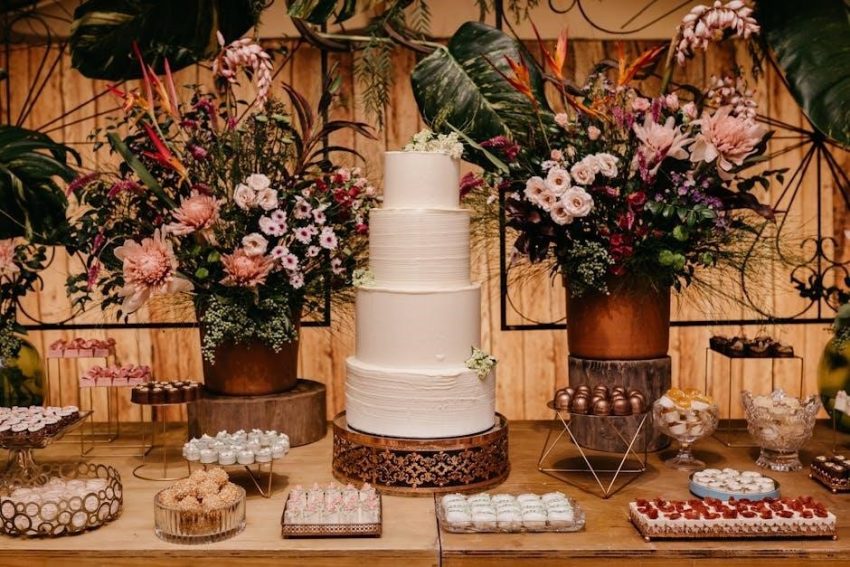
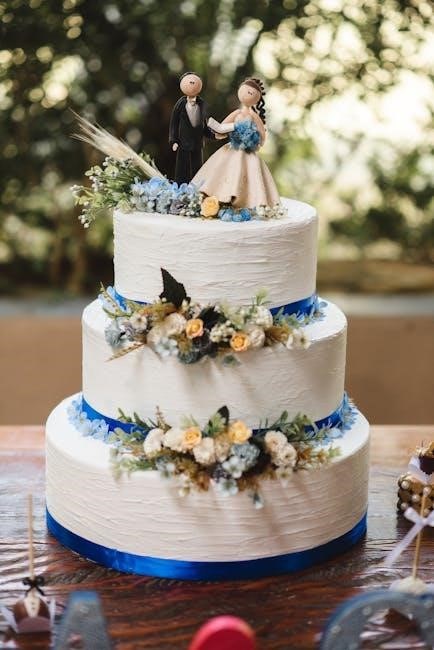
Wilton wedding cakes traditionally feature tiered designs, offering both visual appeal and efficient serving capabilities. A common configuration includes a 6-inch top tier, an 8-inch middle tier, and a 10-inch base tier. This arrangement provides variety in flavor and accommodates varying guest counts. However, tier combinations are flexible, adapting to the couple’s preferences and the number of attendees.
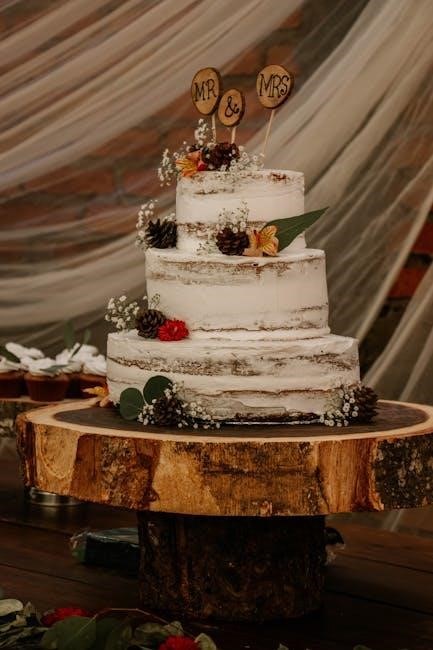
Larger weddings may incorporate 12-inch or even 14-inch tiers. Each tier is typically baked as a separate cake and then stacked with appropriate support structures. The top tier is often reserved for the couple to enjoy later, while the lower tiers are sliced and served to guests. Careful planning of tier sizes ensures sufficient servings for everyone.
Serving Chart for Common Wilton Cake Sizes (2-Layer)
Here’s a guide to estimated servings for standard 2-layer Wilton cakes. A 5-inch round typically yields 4-5 servings, ideal for very intimate gatherings. A 6-inch round comfortably serves 6-8 guests, making it a popular choice for smaller weddings or parties. Moving up, an 8-inch round provides 12-16 servings, suitable for medium-sized events.
For larger groups, a 10-inch round can serve 20-24 people. These estimates assume standard 1×1.5 inch slices. Remember that actual servings can vary based on slice size and guest appetite. Always slightly overestimate to ensure everyone enjoys a piece of cake!
Serving Chart for Common Wilton Cake Sizes (3-Layer)
Planning a taller cake? Here’s a serving guide for 3-layer Wilton cakes. A 6-inch round, with three layers, will generally serve 8-10 guests – a nice step up from the 2-layer version. An 8-inch, three-layer cake provides 16-20 servings, perfect for a moderate-sized wedding. For larger celebrations, consider a 10-inch round, yielding approximately 24-30 servings.
These estimates are based on standard slice sizes. Remember to factor in guest preferences and other dessert options. A 7-inch round, three-layer cake can serve 12-15 people. Always err on the side of generosity when estimating cake servings!
Factors Affecting Serving Sizes
Serving counts vary! Cake density, filling choices, and cutting styles all influence how many portions you get from your Wilton creation.
Cake Density and Filling Type
The density of your chosen cake recipe significantly impacts serving sizes. A light and airy sponge cake will yield more portions compared to a dense pound cake, even if they are the same size. Similarly, the type of filling plays a crucial role. Cream cheese frosting or fruit fillings tend to be lighter, allowing for slightly larger servings than heavier fillings like buttercream or ganache.
When estimating servings, consider whether your cake is a traditional, denser recipe or a lighter variation. Adjust the serving chart accordingly – a denser cake might serve fewer guests than indicated, while a lighter cake could serve more. Accurate portioning relies on understanding these textural differences and their effect on overall volume.
Cutting Techniques for Maximum Servings
To maximize servings from your Wilton wedding cake, employ precise cutting techniques. Traditional wedge cuts often result in uneven portions and wasted cake. Instead, consider a grid pattern – cutting concentric squares or rectangles from the center outwards. This method yields consistently sized pieces and utilizes the entire cake.
Start by cutting the cake into manageable sections, then subdivide each section. A long, serrated knife is essential for clean cuts. For tiered cakes, cut each tier separately. Remember to account for the decorative elements when planning your cuts, avoiding intricate designs. Proper technique ensures every guest receives a fair and enjoyable portion.
Guest Appetite and Dessert Options
Accurately estimating wedding cake servings requires considering guest appetite and the broader dessert selection. If offering a full dessert buffet – including pastries, cookies, and other sweets – guests will likely consume smaller cake portions. Conversely, if the cake is the primary dessert, plan for larger servings.
Consider your guest list; are they known for enjoying generous portions? Adjust serving sizes accordingly. A lighter cake, like sponge, may encourage larger slices compared to a dense chocolate cake. Offering coffee or tea alongside the cake can also influence consumption. Careful consideration of these factors ensures you order a cake of appropriate size.
Wilton Cake Pans and Corresponding Servings
Wilton offers various pan sizes; 6”, 8”, and 10” rounds are common for wedding cakes, each yielding different serving counts based on layers.
6-Inch Round Cake: Serving Estimates
A 6-inch round cake is a popular choice for smaller weddings or as a complementary tier in a larger cake design. Generally, a 2-layer 6-inch cake will comfortably serve between 6 to 8 guests. If you opt for a 3-layer construction, the serving size increases to approximately 8 to 10 portions.
These estimates assume standard 1.5-inch slices. However, remember that actual servings can vary depending on how the cake is cut and the appetite of your guests. A denser cake or richer filling might encourage smaller portions, while a lighter sponge could lead to larger slices being enjoyed. Consider this when finalizing your cake order to ensure everyone gets a delightful piece!
8-Inch Round Cake: Serving Estimates
The 8-inch round cake is a versatile size, frequently used as a middle tier in a tiered wedding cake or as the main cake for smaller celebrations. A 2-layer 8-inch cake typically provides 12 to 16 servings, making it suitable for intimate gatherings. Increasing to a 3-layer construction boosts the serving capacity to around 16 to 20 portions.
These estimates are based on traditional wedge-shaped slices. Remember that serving sizes are influenced by cake density and guest preferences. A moist, flavorful cake might be enjoyed in smaller portions, while a lighter cake could encourage larger slices. Careful planning ensures sufficient cake for all attendees, contributing to a memorable wedding experience.
10-Inch Round Cake: Serving Estimates
A 10-inch round cake is a popular choice for the base tier of a wedding cake, offering substantial servings. A 2-layer 10-inch cake generally yields 20 to 24 servings, ideal for medium-sized weddings. Opting for a 3-layer version significantly increases capacity, providing approximately 24 to 30 portions – perfect for accommodating a larger guest list.
These estimates assume standard 1”x1” slices. Consider the cake’s density and filling when finalizing quantities. Richer cakes are often served in smaller portions. Accurate estimation prevents waste and ensures every guest enjoys a piece of the celebration. Proper planning with a 10-inch cake is key!
Calculating Total Servings for Multi-Tiered Cakes
Determine servings per tier, then add them together! Account for decorative elements that reduce edible portions for accurate guest planning.
Adding Servings from Each Tier
Calculating the total servings for a multi-tiered Wilton wedding cake is straightforward, yet crucial for ensuring every guest receives a delightful piece. Begin by determining the serving count for each individual tier based on its size and number of layers – refer to the serving charts for accurate estimates.
Once you have the serving numbers for each tier, simply add them together. For example, a cake with a 6-inch top tier (serving 6-8), an 8-inch middle tier (serving 16-24), and a 10-inch bottom tier (serving 32-40) would yield a total of 54-72 servings. This simple addition provides a foundational understanding of your cake’s capacity. Remember to consider potential variations due to cutting styles and guest appetites!
Accounting for Decorative Elements
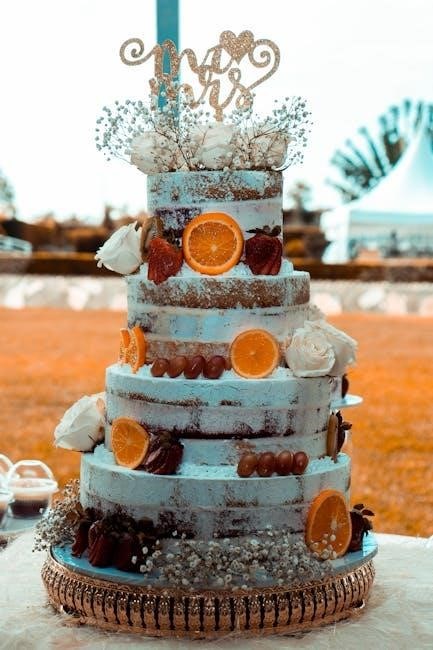
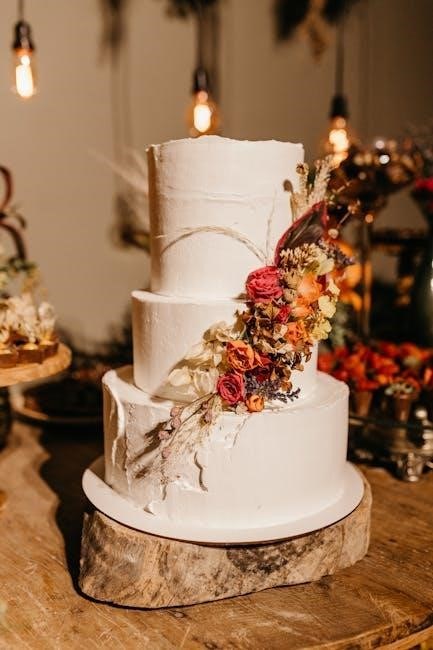
Elaborate decorations on a Wilton wedding cake, while visually stunning, can subtly impact the final serving count. Large sugar flowers, intricate piping, or substantial fondant draping occupy cake volume, effectively reducing the available portion size. It’s wise to conservatively estimate servings, particularly with heavily decorated cakes.
Consider that guests may receive slightly smaller slices to accommodate the artistry. While a precise calculation is difficult, reducing the estimated servings by 5-10% for heavily decorated cakes is a prudent approach. Prioritize a generous overall amount to avoid shortfalls, balancing aesthetic appeal with practical portioning for a truly memorable celebration!
Wilton Frosting and Decoration Considerations
Frosting amounts and decorations significantly affect cake servings; elaborate designs reduce portion sizes, requiring careful planning for guest satisfaction.
Frosting Amount Guide
Determining the correct frosting quantity is crucial for both aesthetics and sufficient servings. A standard Wilton buttercream frosting recipe typically yields enough to generously cover a cake, including borders. For a two-layer cake, approximately 3 to 4 cups of frosting are generally recommended, allowing for both top and side coverage. However, this varies based on the cake’s size and desired frosting thickness.
Three-layer cakes require significantly more, often around 5 to 6 cups. Remember to factor in decorative elements like rosettes, piping, or textured finishes, which consume additional frosting. Always err on the side of having slightly more than needed, as running out mid-decoration is a common frustration. Consider the type of frosting too; cream cheese frosting tends to spread more thinly than buttercream.
Impact of Decorations on Serving Size
Elaborate cake decorations, while visually stunning, can subtly reduce the practical serving size. Heavy fondant work, intricate sugar flowers, or cascading designs occupy volume that would otherwise be edible cake. While these elements aren’t subtracted directly from the serving count, they effectively diminish the portion of cake each guest receives.
Consider the placement of decorations. Large, prominent features take up more space than delicate piping. When calculating servings, especially for tiered cakes, account for the decorative footprint. A heavily decorated tier might yield slightly fewer “substantial” cake portions. Prioritize balance – beautiful decorations enhance the cake, but shouldn’t compromise the overall serving yield significantly.
Tips for Accurate Cake Portioning
Precise cutting and presentation are key! Use a heated knife for clean slices and consider self-service options for efficient portion control.
Using a Cake Serving Knife
Employing the correct cake serving knife significantly impacts portion size and presentation. A long, thin-bladed knife is ideal, especially when heated with warm water. This ensures clean cuts through frosting and cake layers, preventing crumbling and maintaining neat slices.
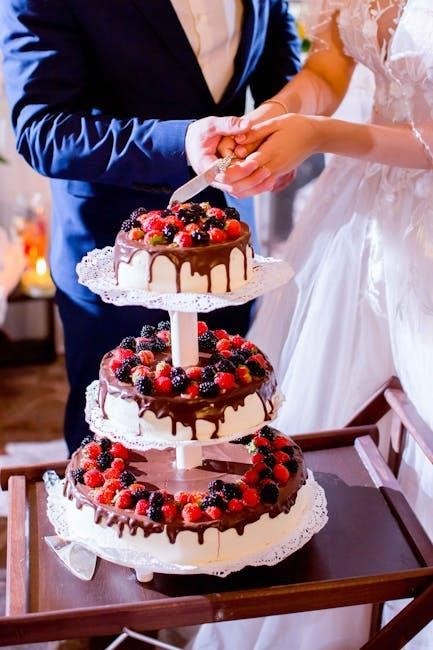
Begin by wiping the blade clean between each cut. A gentle sawing motion, rather than pressing down, is recommended for delicate cakes. For tiered cakes, start by scoring the top tier before carefully lifting and removing it to reveal the layer beneath. Consistent slice width is crucial for equitable serving sizes. Practice makes perfect – a little preparation will result in beautifully presented and uniformly sized portions for all guests!
Presenting the Cake for Self-Service
If opting for a self-service cake presentation, strategic setup is key to managing portions and minimizing waste. Position the cake on a stable, elevated surface with ample space around it. Provide appropriately sized serving utensils – a cake server and individual dessert plates are essential.
Consider pre-cutting a small portion of the cake to demonstrate ideal slice size. Clearly indicate the suggested serving size, perhaps with small signage. Having assistance nearby to guide guests and replenish utensils can further streamline the process. Remember to account for potential over-serving; a visually appealing display encourages generous portions!
Resources and Further Information
Explore Wilton’s official website for detailed charts and calculators. Numerous online resources offer additional cake serving guidance and portion planning tools.
Wilton Official Website and Charts
Wilton provides a comprehensive suite of resources directly on their official website, designed to assist bakers of all levels. You’ll discover detailed cake serving charts, categorized by pan size and layer count – crucial for wedding planning. These charts, developed by the Wilton Test Kitchen, offer reliable estimates for traditional 4-inch high cakes.
Beyond basic serving guides, Wilton offers downloadable resources covering frosting amounts, baking times, and pan preparation techniques. Explore their extensive library of cake decorating ideas and tutorials, which can influence how efficiently you cut and serve each slice. Regularly updated, the Wilton website remains a premier destination for accurate and practical baking information, ensuring your wedding cake is both beautiful and adequately portioned for your guests.
Online Cake Serving Calculators
Numerous online cake serving calculators offer a convenient alternative to manual calculations, streamlining wedding cake planning. These tools typically require inputting the number of tiers, pan sizes (often including Wilton standard sizes), and layer counts to estimate total servings. Many calculators also allow adjustments for cake density and desired portion size – crucial for accurate planning.
While helpful, remember these calculators provide estimates. Factors like intricate decorations or generous frosting applications can impact actual servings. Cross-reference calculator results with Wilton’s official charts for a more reliable assessment. Popular options include websites dedicated to wedding planning and baking resources, offering user-friendly interfaces and customizable settings to tailor the serving estimate to your specific cake design.