
Overview of the Candida Diet PDF
Download the free PDF guide to access the full list of foods, shopping tips, and meal plans. It includes 50 foods to eat, 50 to avoid, a 7‑day menu, supplement tips, and a FAQ section. Use it to simplify choices and support gut health. It also highlights safe snacks, kitchen hacks, and grocery tips.now!
Download the free PDF guide to access the full list of foods, shopping tips, and meal plans.
Click the button below to receive the comprehensive Candida Diet PDF. Inside you’ll find a detailed catalog of 50 approved foods, 50 foods to avoid, and a 7‑day meal plan that balances nutrients while starving Candida. The guide also includes a shopping list with pantry staples, tips for choosing fresh produce, and a FAQ section that answers common questions about supplements and gut health. By following the PDF’s structured approach, you can simplify grocery shopping, reduce sugar intake, and support your body’s natural detoxification processes. The free download is available instantly after entering your email, and you’ll receive a PDF that can be printed or viewed on any device. Start your journey toward a healthier gut today with this essential resource. The PDF also provides a printable grocery list categorized by food groups, a chart of recommended portion sizes, and a quick reference guide for reading labels. Additionally, it includes a section on how to prepare meals in bulk, tips for meal prepping, and ideas for healthy snacks that keep blood sugar stable. Users can track progress with a simple journal template included in the download. The guide is designed to be user‑friendly, with clear headings, bullet points, and color‑coded sections for easy navigation. Whether you’re new to the Candida diet or looking to refine your plan, this resource offers practical tools and evidence‑based recommendations to help you stay on track and achieve lasting gut health improvements. Enjoy a healthier balanced life with this daily guide!!
Key Benefits of the Candida Diet
Starve Candida by cutting sugar, boost gut flora with probiotics, reduce inflammation, improve digestion, restore energy, and support immune function. The PDF lists foods that detoxify, curb cravings, and promote lasting gut balance. It also includes shopping tips.
Learn how the diet starves Candida, reduces sugar intake, and supports gut health.
The Candida diet focuses on eliminating foods that feed yeast, primarily sugars and refined carbohydrates. By removing these fuels, the diet starves Candida, limiting its growth and reducing inflammation. The PDF’s food list highlights low‑glycemic vegetables, healthy fats, and protein sources that keep blood sugar stable. This steady glucose level prevents the spikes that encourage fungal proliferation. Additionally, the guide emphasizes foods rich in prebiotics and probiotics, such as fermented vegetables and yogurt cultures, which help restore a balanced gut microbiome. These beneficial bacteria compete with Candida for nutrients and produce short‑chain fatty acids that strengthen the intestinal lining. The result is improved digestion, fewer bloating episodes, and a stronger immune response. The diet’s emphasis on anti‑inflammatory foods like leafy greens, cruciferous vegetables, and omega‑3‑rich fish further supports gut health by reducing mucosal irritation. By combining a low‑sugar intake with nutrient‑dense, gut‑friendly foods, the Candida diet promotes detoxification, restores microbial balance, and enhances overall well‑being. Over time, this disciplined approach can lead to reduced fatigue, clearer skin, and a more resilient digestive system. Users report fewer cravings for sweets and a noticeable decline in bloating and gas. By following the PDF’s structured plan, individuals can systematically reintroduce foods, monitor tolerance, and maintain a healthy gut environment for the long term. Enjoy the journey, stay now
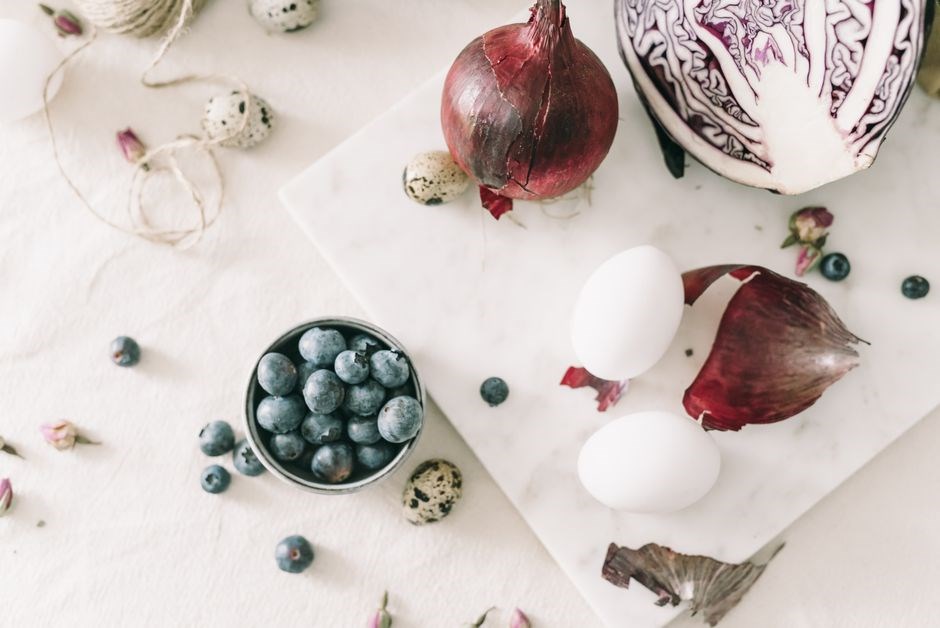
Stage 1 Foods to Promote Detoxification
Stage 1 focuses on low‑sugar, anti‑inflammatory foods that flush toxins. Include leafy greens, cruciferous veggies, garlic, ginger, and fermented items. Avoid refined carbs, sugary snacks, and processed grains. These choices starve Candida and support liver detox and promotes overall gut resilience daily
Focus on low-sugar, anti-inflammatory foods that help eliminate fungal toxins.
Stage 1 of the Candida diet zeroes in on foods that are naturally low in sugar and rich in anti‑inflammatory compounds. The goal is to starve Candida while giving the body the nutrients it needs to flush out fungal toxins. Start each day with a green smoothie made from spinach, kale, cucumber, celery, and a splash of lemon. Add a teaspoon of ground turmeric or fresh ginger to boost the anti‑inflammatory effect. For lunch, a hearty salad of mixed greens, avocado, sliced radish, and a handful of walnuts, dressed with extra‑virgin olive oil and apple cider vinegar, provides healthy fats and antioxidants. Dinner can feature grilled salmon or baked cod, seasoned with herbs like dill or rosemary, served alongside steamed broccoli, cauliflower, and a side of sautéed garlic. Snacks such as raw almonds, a small piece of dark chocolate (at least 70% cacao), or a handful of blueberries keep cravings at bay without spiking blood sugar. Throughout the day, hydrate with water, herbal teas, or bone broth to support liver function and help transport toxins out of the body. By consistently choosing these low‑sugar, anti‑inflammatory foods, you create an environment that discourages Candida growth and promotes detoxification.
In addition, fermented foods like plain yogurt, sauerkraut, or kimchi introduce beneficial bacteria that compete with Candida. Avoid refined sugars, honey, maple syrup, and high‑glycemic fruits such as bananas and mangoes. Instead, choose berries, apples, and pears in moderation. Sleep well and manage stress, as cortisol can weaken immunity and favor fungal growth. Meal prepping weekly keeps you on track daily focus!
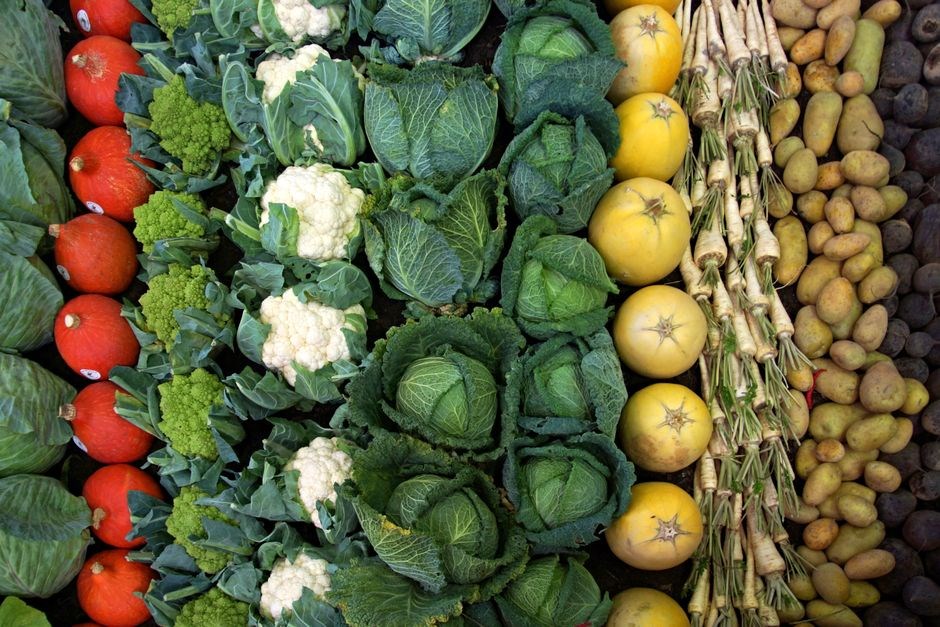
Foods to Avoid During Candida Overgrowth
Exclude starchy veg, beans, sugars, most grains, processed carbs, refined oils, dairy, alcohol, and high‑glycemic fruits. Avoid sweeteners, honey, maple syrup, and sugary drinks. Skip white bread, pasta, rice, and pastries to limit Candida fuel. daily
Exclude starchy vegetables, beans, sugars, and most grains to limit Candida fuel.
ThePDF recommends drinking at least 8 cups of water daily and herbal teas such as peppermint or ginger to soothe the gut lining. It suggests a high‑qualityprobiotic supplement during the detox phase to replenish beneficial bacteria, easing the transition back to eating.
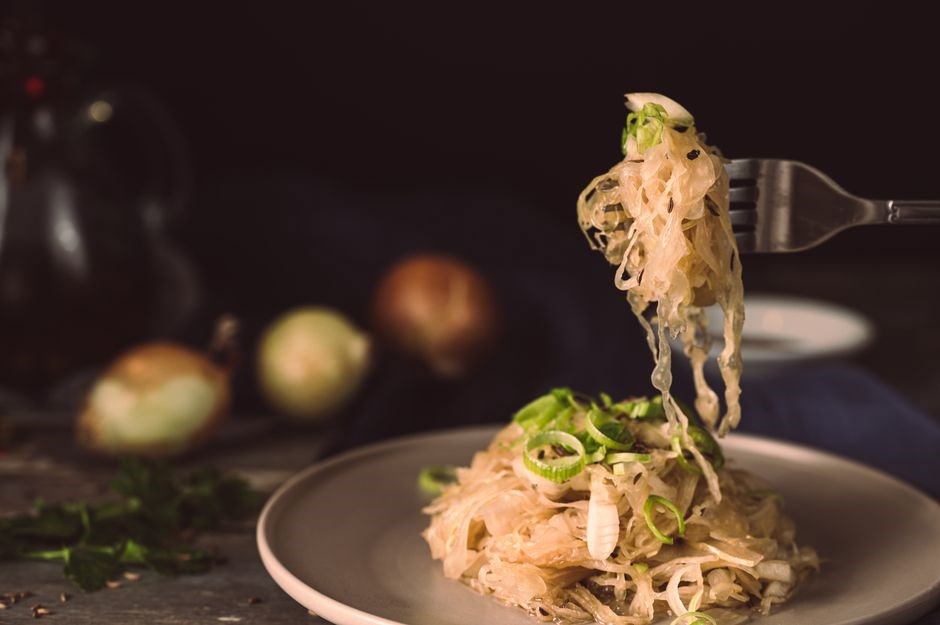
Antifungal and Probiotic Food Choices
Live yogurt with active cultures, kefir, and probiotic‑rich fermented foods help rebalance gut flora. Olives (no distilled white vinegar) provide healthy fats and natural antimicrobials while soothing inflammation. These foods support immune resilience and reduce Candida proliferation. early phase for you!
Incorporate live yogurt cultures, olives (without distilled white vinegar), and other gut-friendly options.
Choosing the right probiotic sources is essential for a successful Candida diet. Live yogurt cultures, especially those labeled “contains live and active cultures,” provide Lactobacillus acidophilus and Bifidobacterium lactis, which compete with Candida for nutrients and help restore intestinal balance. When selecting yogurt, opt for plain, unsweetened varieties to avoid hidden sugars that feed yeast. A 1‑cup serving delivers roughly 3–5 mg of live bacteria, enough to seed the gut with beneficial microbes. Olives, particularly green or Kalamata, are another excellent ally. They contain polyphenols and monounsaturated fats that inhibit fungal growth while offering anti‑inflammatory benefits. Importantly, choose olives that are brined or marinated in olive oil rather than those preserved in distilled white vinegar, which can disrupt the delicate pH balance of the gut. Other gut‑friendly options include kefir, which offers a broader spectrum of bacteria and yeasts that can outcompete Candida, and fermented vegetables such as sauerkraut and kimchi, which provide lactic acid bacteria and natural antioxidants. Incorporating these foods into daily meals—such as topping a salad with sliced olives, adding a spoonful of kefir to a smoothie, or serving plain yogurt with a sprinkle of cinnamon—creates a synergistic effect that nourishes the microbiome and starves the overgrown yeast. Consistency is key; aim to consume at least one probiotic‑rich item each day, and pair it with a low‑glycemic, anti‑inflammatory diet to maximize results. By focusing on these live cultures and natural antifungal foods, you give your digestive system the tools it needs to reclaim health and suppress Candida activity. Remember to monitor your body’s response and adjust portions accordingly, ensuring that the probiotic load remains balanced and supportive of your overall healing journey. Consistency fuels recovery and fortifies gut defenses.
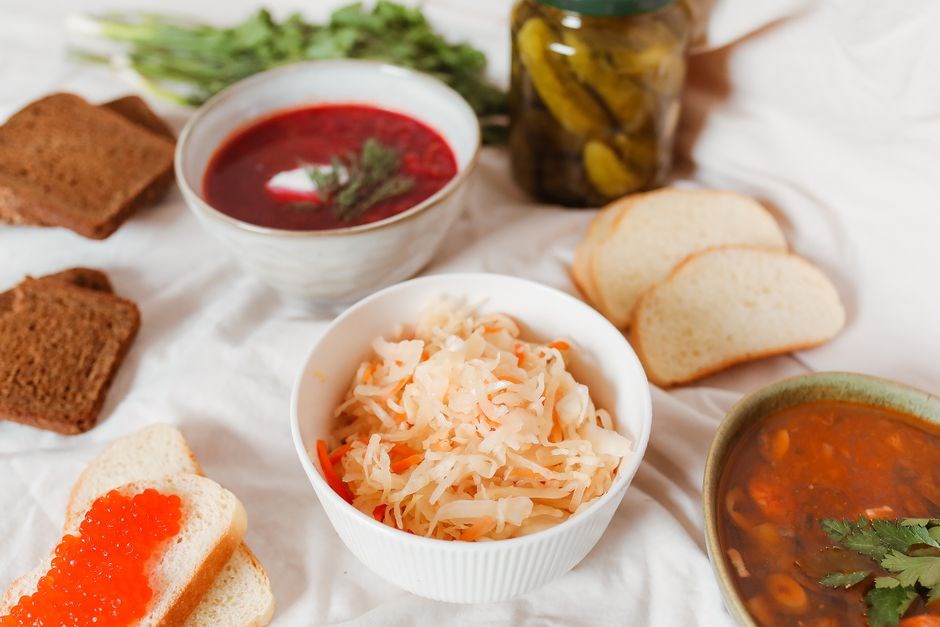
Shopping Guide for Candida-Friendly Foods
Use the PDF’s shopping and pantry lists to select fresh ingredients. Focus on leafy greens, cruciferous veggies, lean proteins, healthy fats, and probiotic foods. Avoid high‑sugar items, grains, and processed snacks. Stick to whole, unrefined choices.now
Use the PDF’s shopping and pantry lists to select fresh, supportive ingredients.
Open the PDF’s “Shopping List” section, which is organized into fresh produce, proteins, pantry staples, and supplements. For fresh produce, prioritize leafy greens such as spinach, kale, and arugula, along with cruciferous vegetables like broccoli and cauliflower. These foods are low in carbohydrates and high in fiber, helping to starve Candida while supporting gut motility. Add a variety of non‑starchy root vegetables—carrots, parsnips, and beets—cooked without added sugars. Include fresh herbs (parsley, cilantro, basil) to boost flavor without extra carbs. In the protein category, choose grass‑fed or pasture‑raised meats, wild‑caught fish, and free‑range eggs. These provide high‑quality protein and essential fatty acids without the additives found in processed meats. For pantry staples, the PDF recommends a limited selection of nuts (almonds, walnuts) and seeds (chia, flax) for healthy fats, as well as coconut oil and olive oil for cooking. Avoid all grains, refined flours, and sugary sauces. Instead, keep a small stock of fermented foods—plain yogurt with live cultures, kimchi, and sauerkraut—to reintroduce beneficial bacteria. The supplement section lists probiotic capsules, digestive enzymes, and a detox tea blend. Use the PDF’s “Pantry” checklist to ensure you have a steady supply of these items, and cross‑reference with the “Meal Plan” to match ingredients to recipes. Finally, keep a running grocery list in a notebook or a note‑app, marking items you already own versus those you need to purchase. This method reduces impulse buys and keeps you focused on the foods that truly support a Candida‑friendly diet.
Produce exposure that can disrupt gut flora.
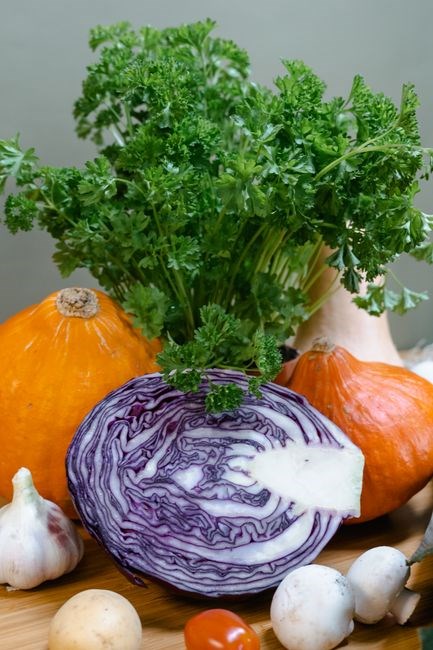
7-Day Meal Plan Included in the PDF
The PDF offers a balanced 7‑day menu featuring low‑carb breakfasts, protein‑rich lunches, and anti‑inflammatory dinners. Sample days include spinach‑egg scramble, grilled salmon with broccoli, and turkey lettuce wraps. Each meal supports gut healing. Add a daily probiotic shot and detox tea for gut cleansing
Follow the sample menu to rebalance your gut during the initial diet phase.
During the first week of the Candida diet, the PDF’s sample menu offers a structured approach to gradually cleanse the gut. Each day presents a balanced mix of protein, healthy fats, and low‑glycemic vegetables that keep blood sugar steady while starving Candida. For breakfast, try a spinach‑egg scramble with a splash of olive oil and a side of sliced avocado. The eggs provide high‑quality protein, the spinach supplies antioxidants, and the avocado adds healthy monounsaturated fats. Lunches feature grilled chicken or turkey breast served over a bed of mixed greens, topped with olive oil and apple cider vinegar dressing. The protein keeps you full, and the greens supply fiber to aid digestion. Dinner options include baked salmon with steamed broccoli or cauliflower, seasoned with herbs like rosemary and thyme. The omega‑3 fatty acids in salmon help reduce inflammation, while the cruciferous vegetables support detox pathways. Snacks are limited to nuts, seeds, or a small portion of plain, unsweetened Greek yogurt. These choices keep the carbohydrate load low and encourage the growth of beneficial gut flora. Throughout the week, the guide recommends drinking at least eight glasses of water, herbal teas such as peppermint or chamomile, and a daily probiotic supplement to reinforce the gut microbiome. By following this menu, you create a consistent environment that discourages Candida growth, promotes detoxification, and restores digestive balance. The PDF also includes a printable grocery list that aligns with each day’s meals, making shopping efficient and stress‑free. As you progress, you’ll notice reduced bloating, improved energy, and a clearer sense of well‑being, setting the stage for the next phase of the diet.
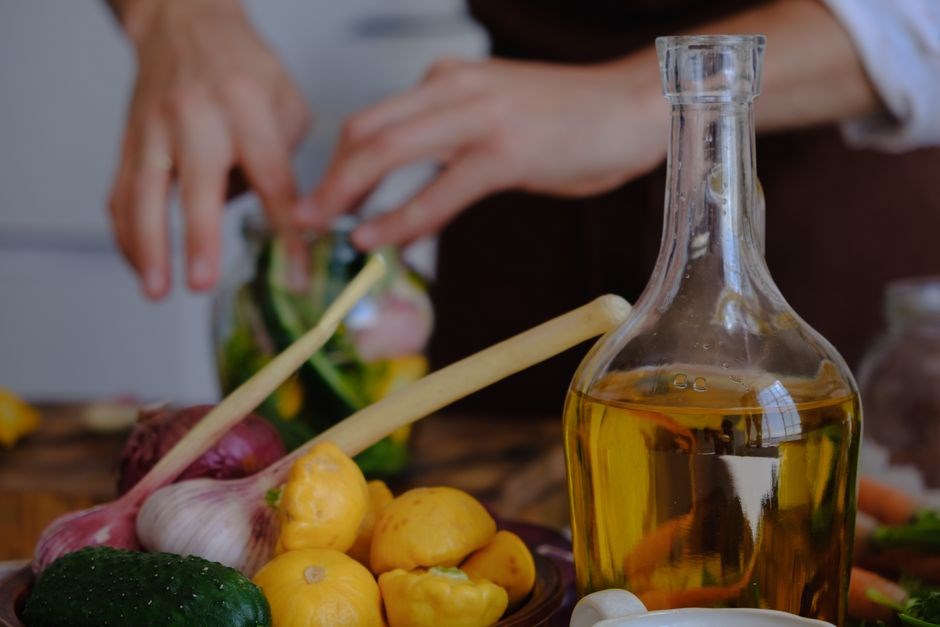
Additional Resources and Support in the PDF
Explore supplement guides, quality product tips, and a FAQ section. The PDF offers expert insights, step‑by‑step instructions, and community support links. Use these tools to stay informed, track progress, and connect with others on the Candida diet journey. Get charts and checklists for tracking daily.
Access supplement recommendations, quality product tips, and a FAQ section for ongoing guidance.
Supplement recommendations in the PDF cover probiotics, digestive enzymes, and antifungal herbs such as oregano oil, garlic, and caprylic acid. It explains dosage, timing, and how to combine them with meals for maximum absorption. Quality product tips guide you to choose third‑party tested brands, verify potency, and avoid artificial additives. The FAQ section addresses common concerns: how long the cleanse lasts, when to reintroduce foods, and what symptoms signal improvement or relapse. It also offers troubleshooting advice for side effects, storage instructions, and how to track progress with a symptom diary. Readers can download printable checklists and set reminders to stay on track. The PDF’s support resources encourage community engagement through a private forum, email updates, and live Q&A sessions. By following these guidelines, users can confidently navigate the diet, maintain gut balance, and sustain long‑term health. Additionally, the guide includes a curated list of natural sweeteners that are safe for the Candida diet, such as stevia and monk fruit, and explains how to use them without triggering a sugar spike. It also highlights the importance of hydration, recommending at least 8 cups of water daily, and suggests herbal teas like peppermint and chamomile to soothe the digestive tract. For those with food sensitivities, the PDF offers alternative options and cross‑referenced ingredient swaps. Finally, the supplement section emphasizes consulting a health doctor before starting a plan, a regimen, especially for chronic conditions.